14/07/2026 in Car Stories
July 14, 2026
Lamborghini Huracán: The Best Selling Lamborghini Ever Made
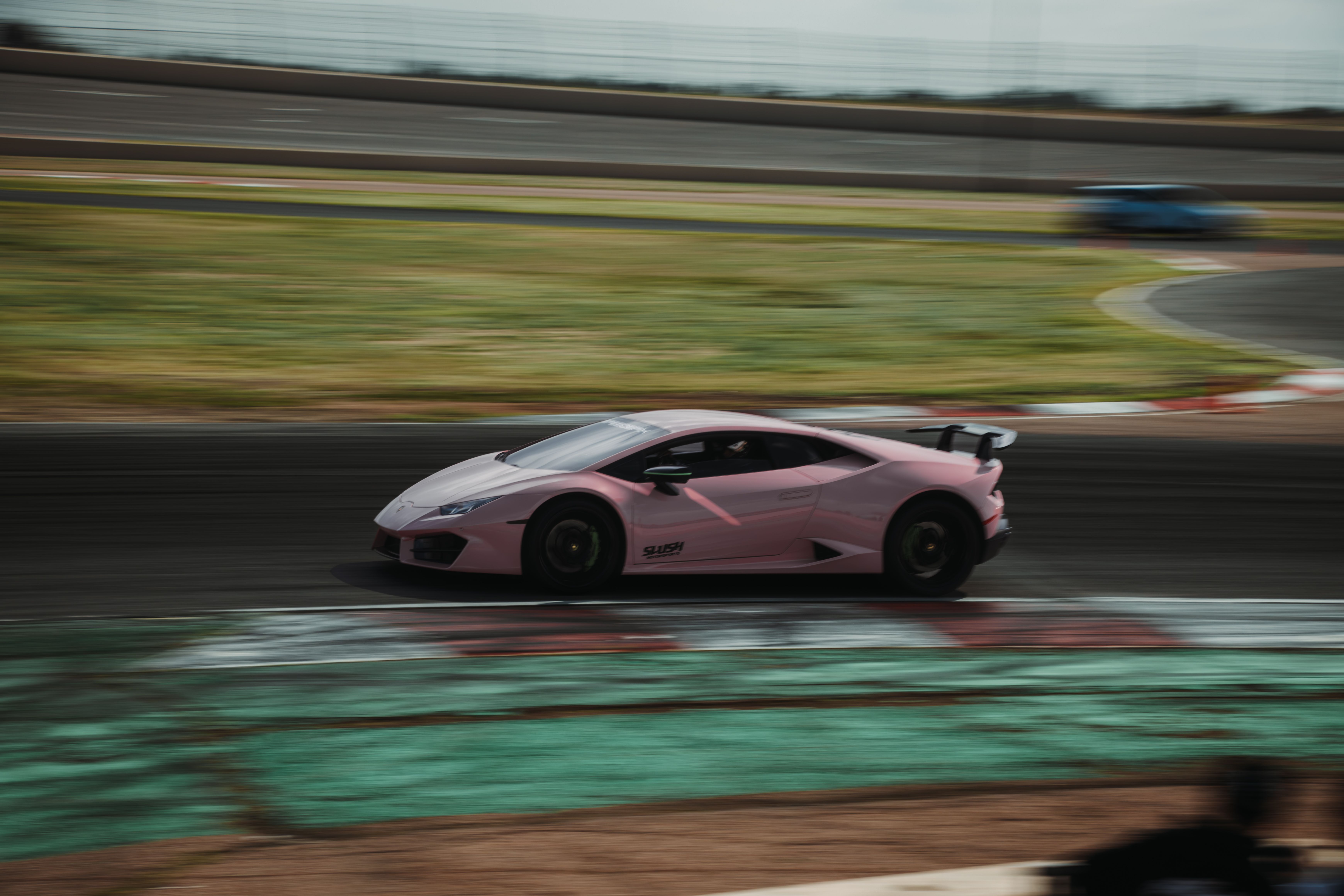
The Lamborghini Huracán had a hard job from the start. It replaced the Gallardo, the best selling car Lamborghini had ever made, and it had to do that without losing the drama that makes a Lamborghini a Lamborghini. It managed both. Over a ten year run it became the most produced Lamborghini in history, and when it went out of production in 2024 it took the naturally aspirated V10 with it. There will not be another one like it.
Filling the Gallardo's shoes
The Gallardo was the car that saved Lamborghini. It was the first model built under Audi ownership, it was reliable in a way old Lamborghinis were not, and it sold in numbers the company had never seen. When it came time to replace it in 2014, the pressure was obvious. The Huracán had to be faster and more modern without feeling watered down. It worked. Buyers who would never have risked an old Italian supercar walked into a dealership and drove out in a Huracán, confident it would start every morning.
Where the name comes from
Lamborghini names its cars after fighting bulls. Huracán was a bull known for its courage that fought in 1879. The word also means hurricane in Spanish, which suits the car fine, but the bull came first. It is the same tradition that gave us the Miura, the Diablo, and the Aventador.
What engine the Lamborghini Huracán uses
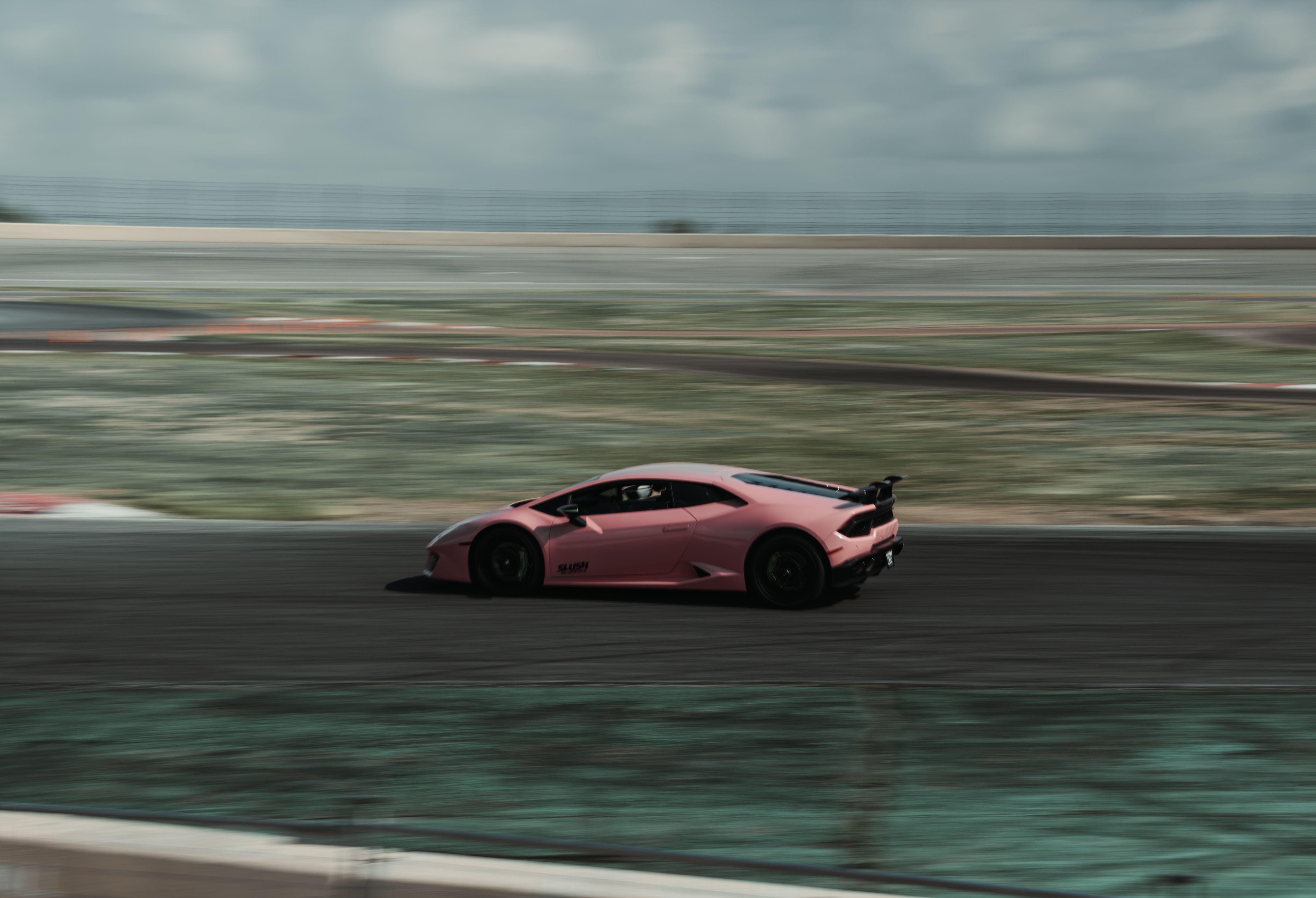
At the center of the car is a 5.2 liter naturally aspirated V10. No turbos. No hybrid assistance for most of its life. Just ten cylinders that pull hard all the way to 8,500 rpm and make a noise turbocharged rivals cannot match. In the launch LP 610-4 it produced 602 horsepower and 413 lb ft of torque, enough for a 0 to 62 mph time of around 3.2 seconds and a top speed of 202 mph. As the industry moved to turbos and batteries, this high revving V10 became the thing people wanted most.
Audi underneath
Here is the part that surprises people. The Huracán is closely related to the Audi R8. The two cars share a platform and the same basic V10, and the Huracán's chassis is actually built by Audi in Neckarsulm, Germany, before it travels to Sant'Agata Bolognese in Italy for final assembly. That German engineering is why the car is so usable. The seven speed dual clutch gearbox is the same unit Audi uses in the R8, smooth enough to sit in traffic and sharp enough to bang through gears on a track.
How it drives
The car has three main modes, chosen with a switch on the steering wheel. Strada is the calm daily setting. Sport loosens things up and lets the tail move around. Corsa is the sharpest track mode. A system called ANIMA manages the engine, gearbox, all wheel drive, suspension, and stability control to match whichever mode you pick. The suspension uses magnetic dampers that change firmness almost instantly, so the car rides well on a bad road and still turns into a weapon when you want it to.
The variants that matter
Lamborghini built a long list of Huracán versions. The LP 580-2 sent less power to the rear wheels only and became the purist's choice. The Performante turned everything up, made 631 horsepower, added the ALA active aero system, and lapped the Nürburgring in 6 minutes 52 seconds. The EVO took that engine and added rear wheel steering. The STO was the road legal version of Lamborghini's GT3 race car. The Tecnica split the difference for daily use.
The one that went off road
The strangest Huracán is the Sterrato. In 2023 Lamborghini took its low slung supercar, raised the suspension, widened the track, bolted on skid plates and all terrain tires, and added a Rally mode. It is a V10 supercar built to slide across gravel. Only 1,499 were made, and it was the last non hybrid model Lamborghini launched.
Why the Lamborghini Huracán matters
The Huracán is the car that proved the Gallardo was not a fluke. It became the best selling Lamborghini ever made and brought a whole new group of buyers to the brand, without losing the noise and drama people expect from Sant'Agata. Its replacement, the Temerario, uses a twin turbo V8 with hybrid power. That is the future, and it will be quick. But it will not sound like a naturally aspirated V10 screaming to 8,500 rpm, because almost nothing will again.