20/07/2026 in Car Stories
July 20, 2026
The McLaren F1 GTR: The Road Car That Won Le Mans
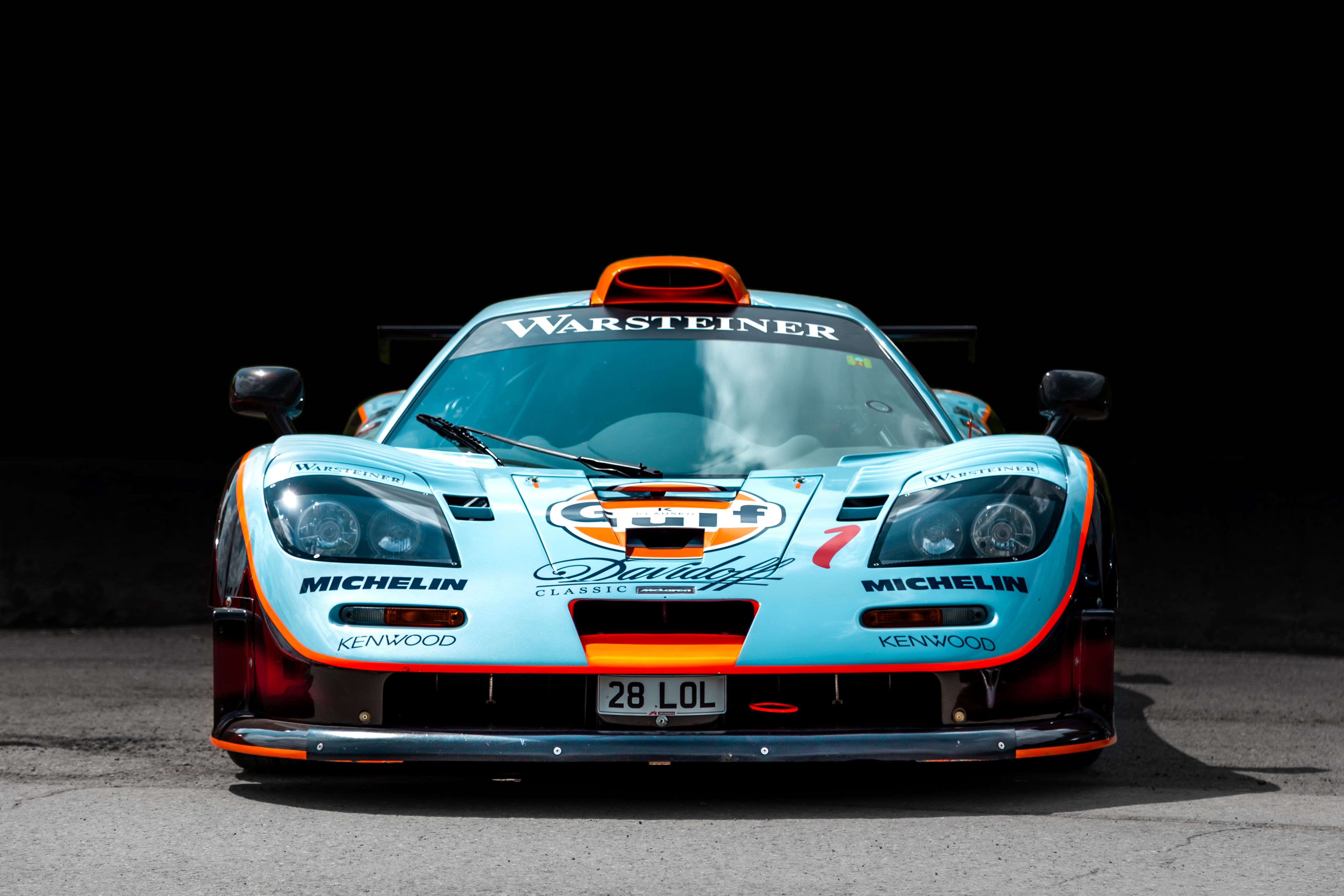
The McLaren F1 GTR was never supposed to exist. Gordon Murray built the F1 as the ultimate road car and had no interest in racing it. Ron Dennis publicly said it would not happen. Then customers started asking, McLaren gave in, and eight months later a lightly modified road car beat purpose built prototypes to win the 24 Hours of Le Mans outright. It is one of the great upsets in motorsport, and it happened on the first try.
The customers who forced it
The F1 was designed to be the best road car in the world. Murray did not want it turned into a race car. But the BPR Global GT Series started up in 1994, and teams wanted something faster for the top GT1 class. Two F1 owners, racing driver Ray Bellm and German banker Thomas Bscher, pushed McLaren to build a competition version. McLaren said no at first, so Bellm went straight to Ron Dennis, an old friend. That worked. With only a few months before the season, McLaren agreed to build a small run of racing chassis.
How little they had to change
Here is the part that tells you how good the original car was. Turning the F1 into a race car took surprisingly little work. The team added cooling ducts, a big adjustable rear wing, a steel roll cage, and carbon brakes. They quickened the steering and stripped the interior. The center driving position stayed. The butterfly doors stayed. Even the standard gearbox stayed. The engine actually lost power. Series rules forced an air restrictor on the BMW V12, capping it at around 600 PS, which is less than the road car made. The GTR was still faster, because it was lighter and it had real downforce.
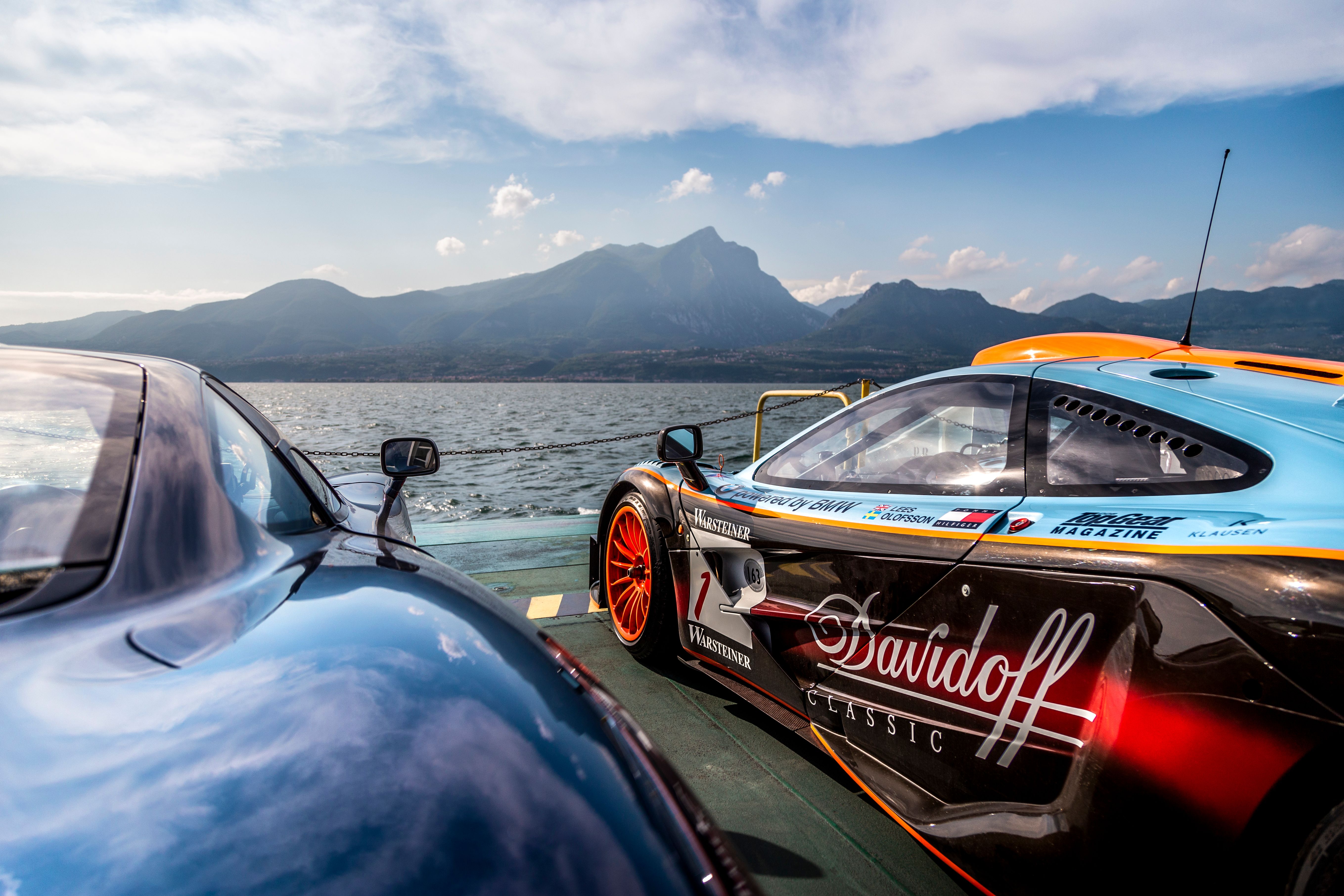
How the McLaren F1 GTR won Le Mans in 1995
Nobody expected a road car to win. The prototypes in the top class were purpose built machines with no relation to anything on the street. Then it rained for sixteen of the twenty four hours. The prototypes hit trouble. The McLarens did not. JJ Lehto drove the middle of the night in conditions that terrified most of the field, posting lap times up to twenty seconds faster than his rivals. He shared the winning car with Yannick Dalmas and Masanori Sekiya, running as Kokusai Kaihatsu Racing under the Ueno Clinic banner, prepared by a team new to Le Mans called Lanzante Motorsport.
Chassis 01R took the overall win. Of the seven F1 GTRs that started, five finished, taking first, third, fourth, fifth, and thirteenth. McLaren won Le Mans on its first attempt as a manufacturer. It was also a first Le Mans win for a Finnish driver, for a Japanese driver, and for BMW power. To mark the result, McLaren built five special F1 LM road cars, one for each finisher.
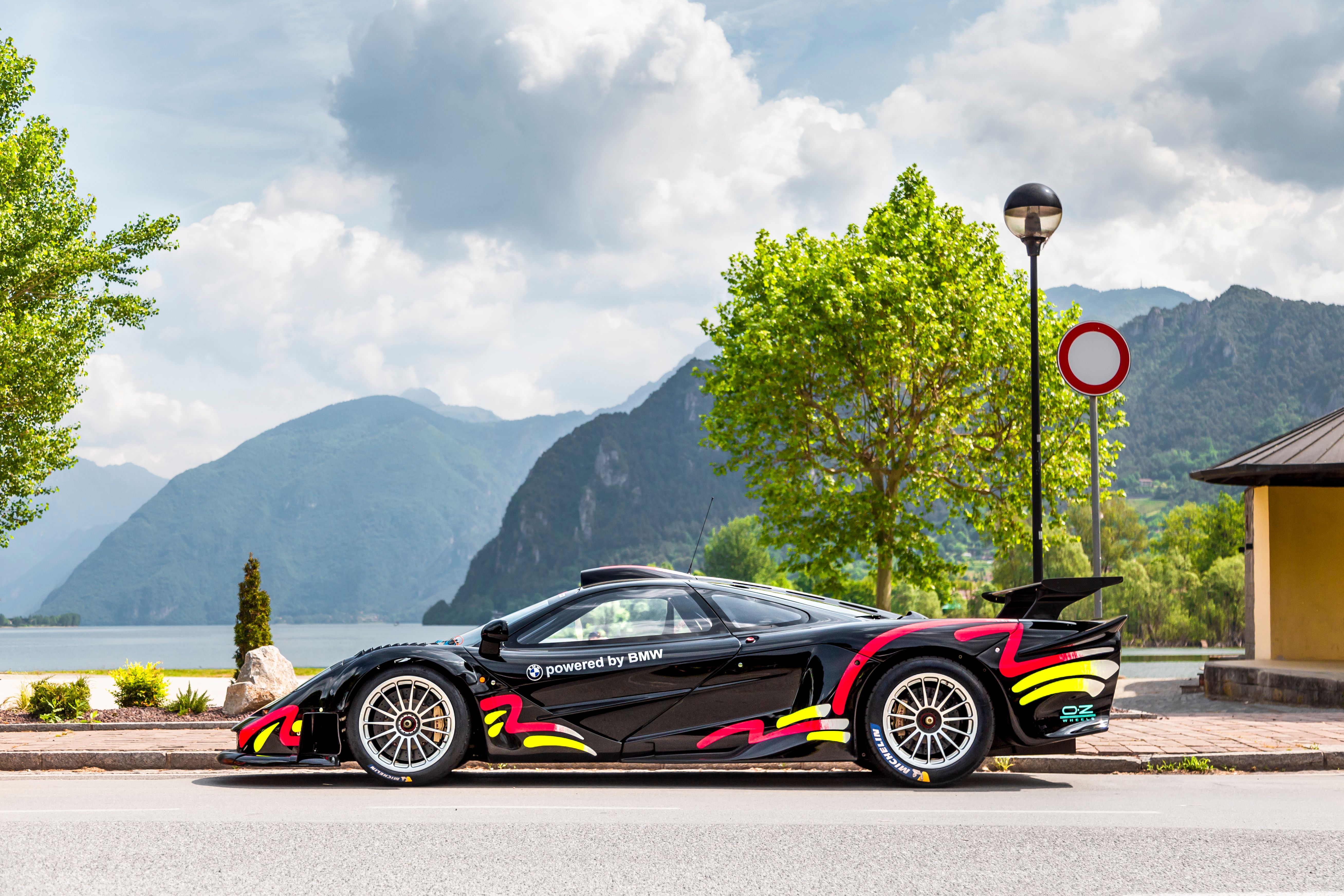
The Longtail
By 1997 the landscape had changed. Porsche showed up with the 911 GT1, a race car reverse engineered into a road car. Mercedes came with the CLK GTR. These were not modified road cars. They were prototypes wearing just enough disguise to qualify. McLaren answered with the 1997 car, known as the Longtail. The nose and tail were stretched dramatically for downforce, the tail running a full meter past the rear axle, which was the maximum the rules allowed. A roof snorkel fed the engine. The gearbox became an X-trac six speed sequential unit.
The weight numbers tell the story. The 1995 car weighed 1,050 kg. The 1996 car was 1,012 kg. The Longtail came in at 915 kg, despite being longer and wider. To make it legal, McLaren had to build a road going version too, the F1 GT, of which only three exist. The Longtail took second and third overall at Le Mans in 1997, first and second in GT1.
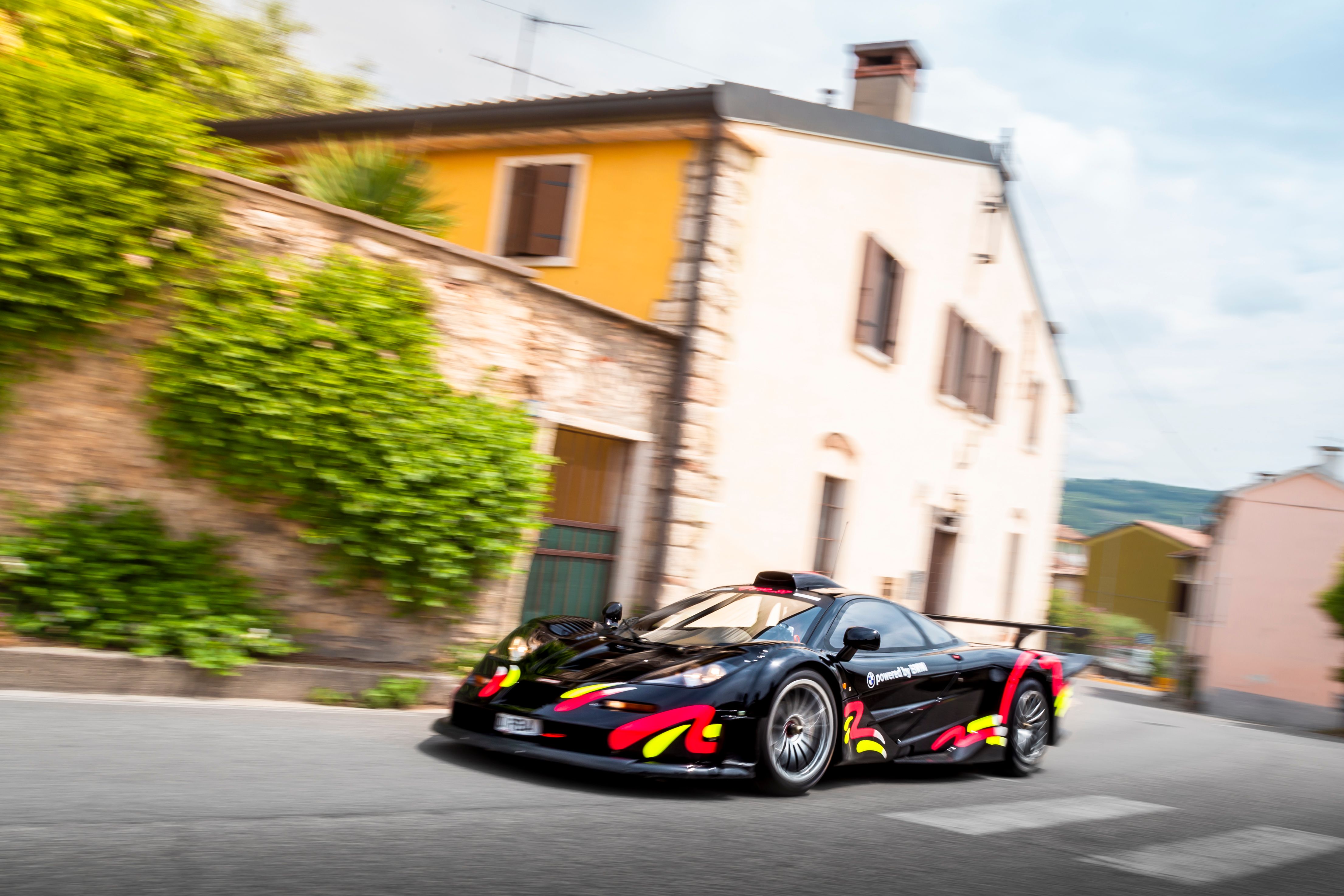
How many McLaren F1 GTRs were built
Twenty eight GTRs were built in total. Nine to 1995 spec, nine to 1996 spec, and ten Longtails. Across a decade of racing the car took 38 wins and three constructors championships. It won the 1995 Global GT Championship and the Japanese GT500 teams title in 1996 with Team Lark. It raced on in privateer hands until 2005, when the last chassis was finally retired.
What a McLaren F1 GTR is worth now
The GTR has become one of the most valuable racing cars in the world. Around sixteen were later converted for road use, which makes them the lightest and rawest F1s anyone can drive on the street. Chassis 11R, the papaya car that Mercedes borrowed to help develop the CLK GTR, reportedly traded for 30 million euros. Chassis 10R, owned by Pink Floyd drummer Nick Mason since 1999, is heading to auction with a stated value above 35 million dollars.
Why the McLaren F1 GTR matters
The F1 GTR won Le Mans because the road car underneath it was engineered properly in the first place. It did not need a purpose built race chassis, because Murray had already built something close to one and put a license plate on it. That is the whole point. A team of people who refused to compromise made a road car so good that a mildly reworked version beat cars designed to do nothing else.
"Winning Le Mans is more difficult than winning an F1 championship. It's a whole season's worth of races without stopping." - Gordon Murray